Google Shopping MAP Monitoring for Brand Pricing Compliance
Daily scanning across Google Shopping listings, identifying which retailers advertise your products below MAP. Reseller-agreement-aware notices and certified-mail C&D escalation. No annual contract.
Book a demoWatching prices without a MAP policy? See Google Shopping price monitoring.
Google Shopping is an aggregator, not a marketplace
Listings on Google Shopping come from retailer feeds, uploaded via Google Merchant Center. There's no third-party seller pool the way Amazon or Walmart Marketplace has one. Every listing belongs to a retailer (Best Buy, Target.com, an authorized distributor, an unauthorized reseller).
That changes the Minimum Advertised Price (MAP) enforcement game. You can't escalate to Google for a price violation, because Google doesn't review ad prices for MAP. The path that works is the retailer path. Identify who's advertising below MAP, cross-check against your authorized-reseller list, and contact the retailer directly. Repeat violators escalate to certified-mail C&D.
FrigginYeah scans every Google Shopping listing for your products daily, normalizes the seller / merchant name to your reseller list, and surfaces unauthorized retailers as the highest-value enforcement targets.
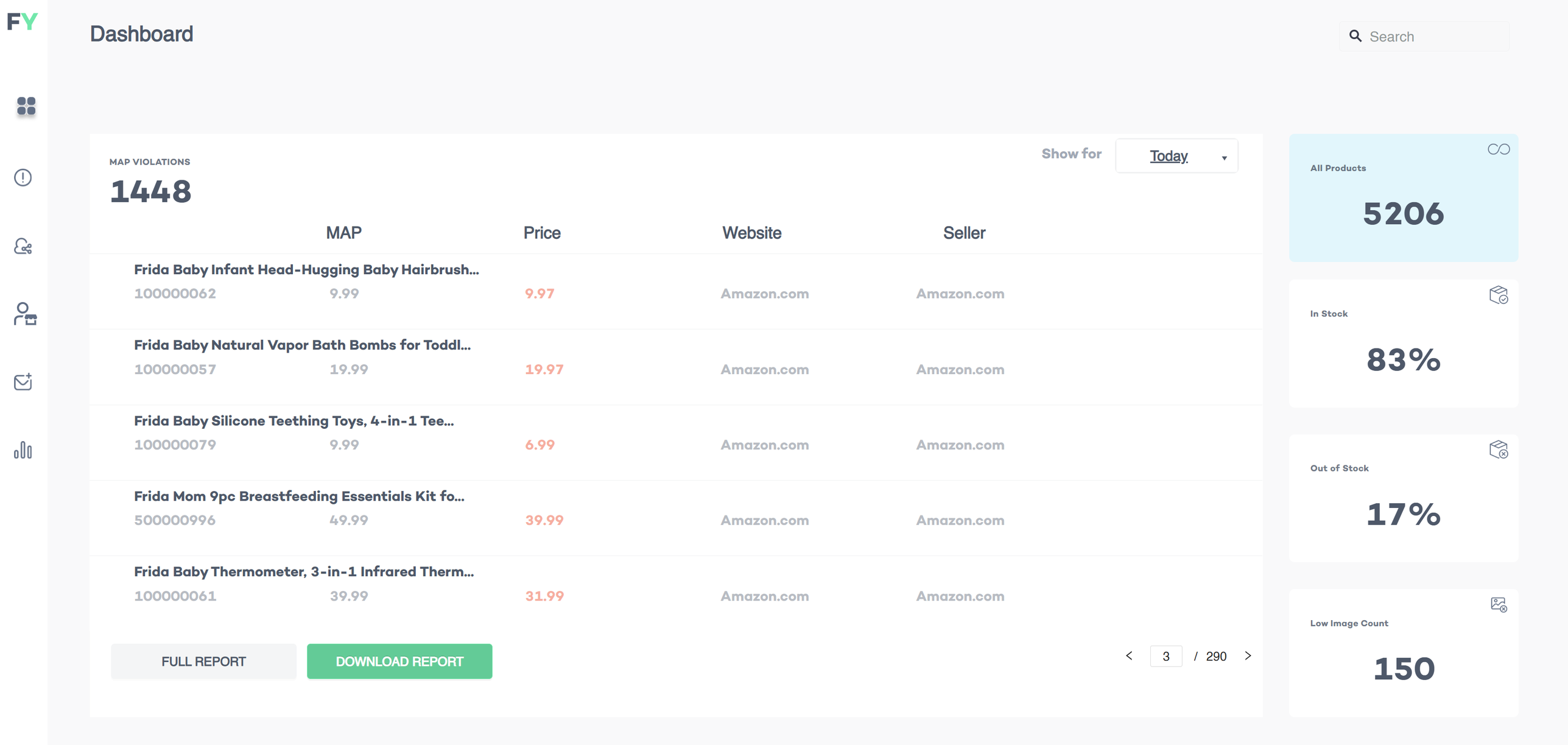
Daily violation tracking
Every Google Shopping listing for your products, scanned daily. Violations show count, per-product detail, and retailer responsible.
Retailer normalization
"Best Buy", "BestBuy.com", "BestBuy.com - Marketplace" all resolve to the same retailer entity so the count is right and the notice goes to the right place.
Reseller-agreement aware
Authorized retailers get a reseller-agreement template referencing the contract terms they signed. Unauthorized retailers get the unauthorized-reseller track.
In-house data, not resold
Most MAP tools resell data through a vendor chain (weeks to fix issues). We collect our own. Same-day fixes.
Cross-retailer pricing source
Google Shopping aggregates listings from hundreds of retailers per product. When a price drops, it's because one of those retailers updated their feed. The hard part isn't seeing the new price. It's knowing which retailer caused it and whether that retailer is allowed to advertise that low.
Naive monitor: sees a Google Shopping price drop → flags violation, doesn't say which retailer.
Reality: retailer X (an authorized distributor) is advertising at $14.99 vs your $19.99 MAP → reseller-agreement violation, escalation template ready with their contract terms attached.
We attribute every Google Shopping price to the retailer behind it, then cross-check against your authorized-reseller list so the right escalation lights up automatically.
Multipack decomposition
When a feed advertises a 12-pack at $99, we compare per-unit price ($8.25) against per-unit MAP, not the bundle total.
Variant matching
Size, color, and flavor variants matched to their SKU MAP. Where a retailer's feed is sloppy, we match on title + image hash.
Retailer-of-record
Every flagged listing shows which retailer is advertising it, so the violation has a name from day one.
Retailer management, not seller management
The Retailers page shows every retailer advertising your products on Google Shopping, organized alongside your other channels. Tag them Authorized, Unauthorized, or Uncategorized. Add notes (contract terms, contact email, history). See exactly what they're advertising and at what prices.
Authorized retailers who violate MAP get a different conversation than unauthorized retailers. The platform tracks both separately, surfaces unauthorized retailers as the highest-value enforcement targets, and keeps a per-retailer violation history.
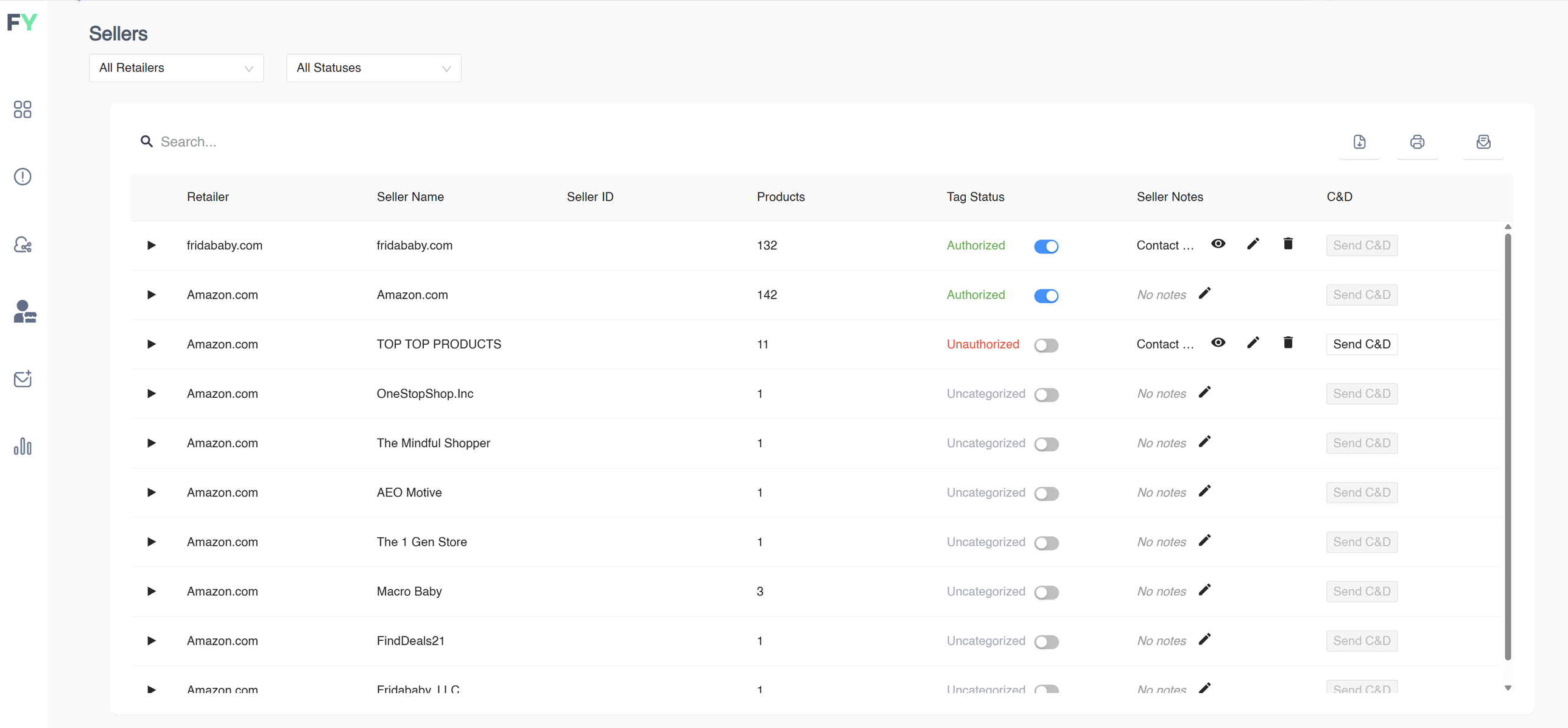
Authorized vs unauthorized
Tag every retailer. Different escalation templates for each.
Per-retailer history
Every notice sent, every response received, every product they touch, all kept on the retailer record.
Bulk operations
Send the same Strike 1 template to a batch of unauthorized retailers in one action.
Cease & Desist that actually moves the needle
When a retailer advertising on Google Shopping violates MAP, escalate through the platform: Strike 1 digital notice → Strike 2 → Strike 3 → certified-mail Cease & Desist. Templates with tag-based autocomplete fill in retailer name, products, and violation amounts. CSV of violations attached automatically.
Most MAP tools stop at digital. We physically mail certified C&D letters via USPS, with returned tracking number. That's the escalation path that actually moves resistant retailers, especially the unauthorized ones who don't have a reseller agreement to lose.
Use our templates or upload your own (drafted by your counsel) for the strongest legal posture. The letter is signed in the brand's name, not ours.
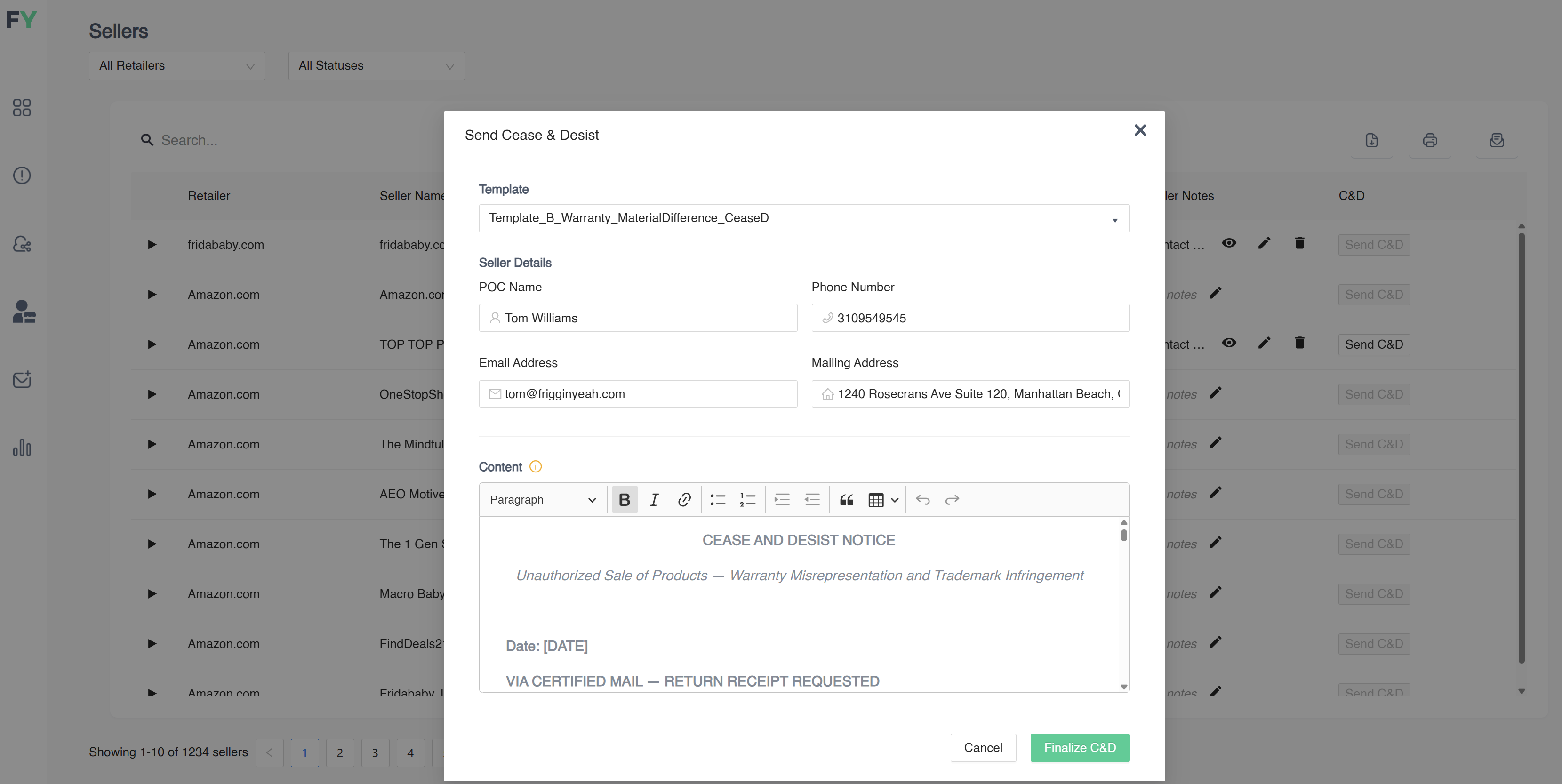
Multi-strike templates
Strike 1 / 2 / 3 escalation. Yours or ours.
Tag-based autocomplete
Fills retailer name, products, and violation amounts from your data automatically.
Certified mail USPS
Physical letter mailed certified, tracking number returned. Most software doesn't do this.
When something needs fixing, weeks vs same-day
Most MAP monitoring tools don't actually collect Google Shopping data themselves. They buy it from a third-party data vendor. The chain looks like this:
Most MAP tools: Brand → MAP tool → Data vendor → Google Shopping
Bad data? You report it, they tell their data vendor, vendor fixes it on their queue. Weeks.
FrigginYeah collects its own Google Shopping data. When you say something needs fixing, we fix it. Same day. Want a new field tracked? A specific retailer normalization edge case? With us, the data team is us.
Pricing without the annual contract
The other major MAP monitoring tools (Wiser, TrackStreet, Wayvia, formerly PriceSpider) sell annual enterprise contracts. Multi-year commitments. Long sales cycles. Procurement negotiations.
We don't.
Most brand owners don't know exactly what they need until they've seen a few months of their actual MAP violation data. Locking in 12 months before you've seen the data is bad math. We'd rather earn the relationship.
See pricingannual commitment
anytime
pricing scales with catalog
takes the demo, not a sales org
How to start enforcing your Google Shopping MAP policy
Upload your catalog
GTINs, MPNs, or product names work. We match across Google Shopping retailer feeds.
Daily scanning starts
Within 24 hours your dashboard fills with current violation data.
Tag your retailers
Authorized vs unauthorized, with reseller-agreement terms attached for each.
Send Strike 1
Digital notice with violation evidence attached. CSV of feed prices included.
Escalate to certified mail
If digital fails, USPS certified C&D goes out with tracking returned.
Track repeat offenders
Per-retailer violation history surfaces patterns so you know who needs a contract review.
Frequently asked questions
English

"We were on our third MAP software provider when we contacted FrigginYeah. Long delays, blocked websites, and bad data kept us looking. FrigginYeah has helped us more than any other MAP service in protecting our brand." - Claude Bernier, Vice-President of IT at South Shore Furniture
Re-think Brand protection.
Don’t let someone ruin your brand’s pricing.
25M
Sellers on eBay with 1 billion products sold in ’20 and 80% of them are new!
2M
Sellers on Amazon with 480 million products. 100K Sellers with $100K+ annual sales.
1K
Sellers on Walmart with 17 million products.
1
Number of Sellers it takes to ruin your Brand’s pricing with MAP violation.
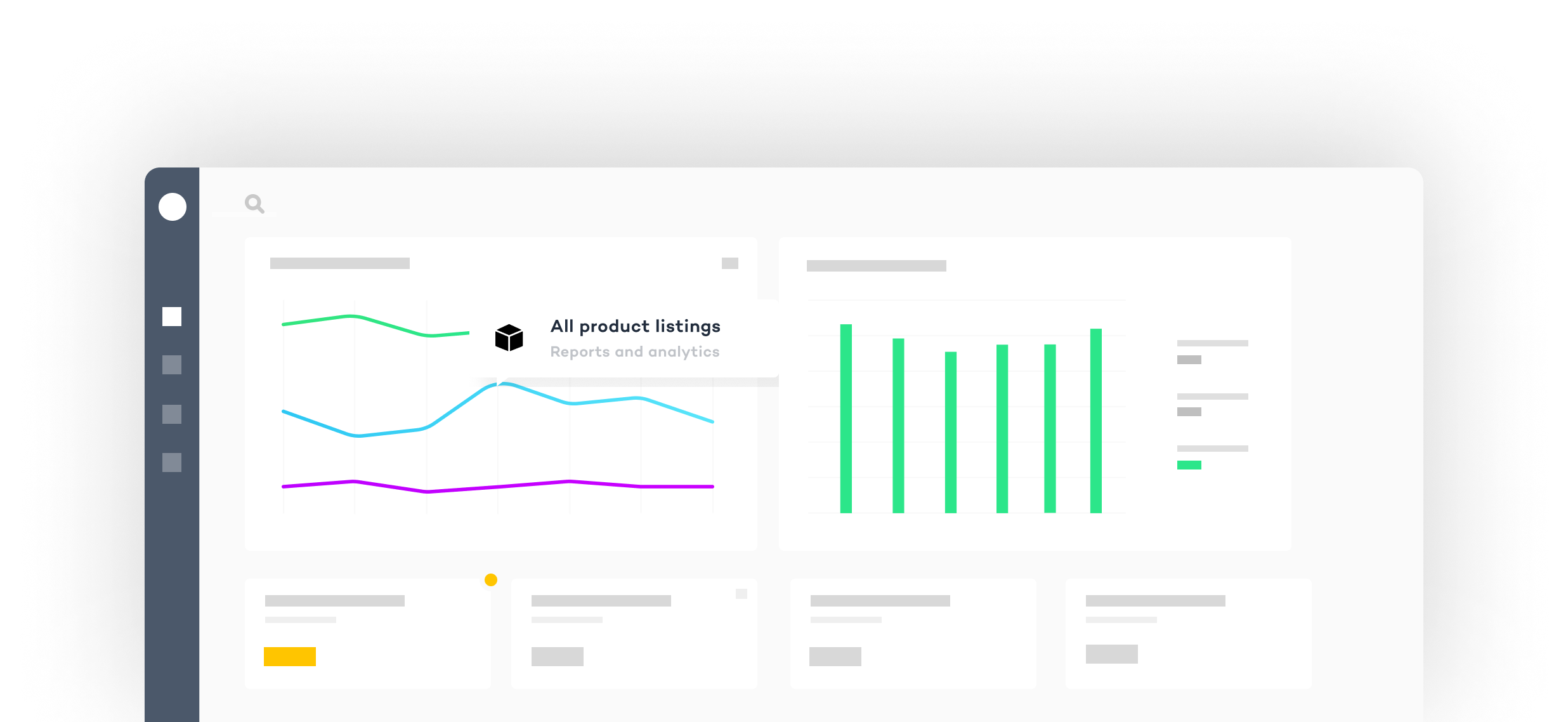
What Makes
Us Different?

Automate Monitoring
Let us automate the manual spot checks you are doing today.

Intuitive Reporting Dashboard
Our UI was designed by our customers. Can’t get much easier to use than that!

Scalability
Whether you are monitoring 25 products or 25,000 products we have a plan for you.

Wide integration
All the big guys, check. A lot of little guys, check check. The ability to add new sites on demand, triple check.
Get Started Today.
Join Brand owners across the world using FrigginYeah! to monitor, control and maintain their online Brand presence.

Start with a free trial today!
Let us show you how great our product is and start protecting your Brand today.
Get a free demo
See pricing
Surprisingly affordable and always competitive! Check out what we have to offer.
